

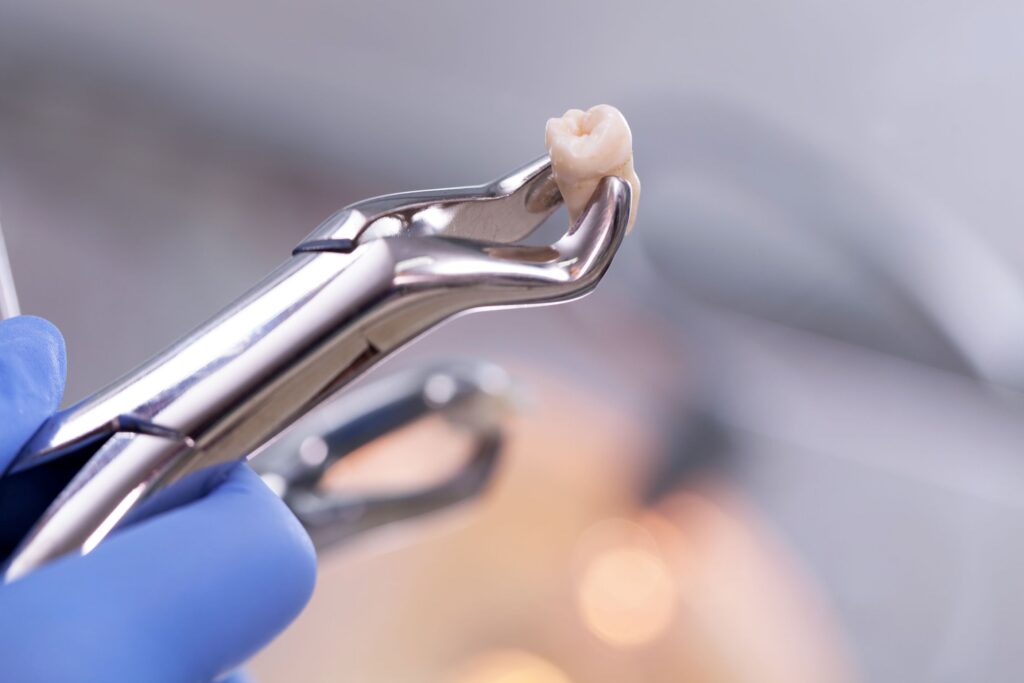
You can usually count on your dentist to do everything they can to help you protect and preserve your natural teeth and gum tissues. However, if you have a tooth that’s too damaged to be treated successfully or have troublesome wisdom teeth growing, your provider may have no choice but to recommend extraction.
Then, you must follow the provided post-operative instructions carefully to heal as quickly as possible after your procedure while avoiding potential side effects, such as a painful condition known as dry socket. Continue reading to learn more about this risk and how to prevent it!
What is Dry Socket?
After your dentist carefully removes your injured, impacted, or aching tooth, they’ll give you specific instructions to help protect the newly exposed nerves and tissues. It’s imperative that your mouth form a blood clot over the site to keep harmful bacteria at bay.
If this clot is damaged or dislodged, you might experience intense discomfort from a condition called dry socket. Several post-operative directions are intended to help protect this clot so that your mouth can recover effectively while avoiding inflammation or infection.
How Can I Prevent Dry Socket After My Tooth Extraction?
Thankfully, there are several ways you can help prevent dry socket after your tooth has been removed, such as:
- Not smoking. Tobacco products contain nicotine, which suppresses your immune system by constricting blood vessels and impairs your mouth’s ability to form a clot.
- Drinking water from a cup. You’ll need to drink water to support your body’s natural defenses and keep your mouth clean, but the force of suction from using straws can dislodge the protective covering.
- Enjoy low-impact activities. Any physical labor or exercise that elevates your blood pressure or heart rate should be avoided.
- Stick to soft foods. Hard, sticky, and acidic foods can harm the clot or push or pull it out of place, forcing your mouth to form another.
- Keep your mouth clean. You may be directed to rinse with salt water the first day and wait to resume brushing and flossing until your connective tissues have mended more.
If you develop a dry socket, contact your dentist as soon as possible. Many offer same-day emergency visits and sedatives, so you won’t have to wait long for relief. They might provide a medicated paste to help numb and disinfect the area and offer additional instructions to prevent recurrence.
Thankfully, sources estimate that only 2% to 5% of those undergoing routine extractions and approximately 30% of patients having surgical removals are likely to experience this potential complication!
About the Practice
Patients at Ross & Sourlis Family Dentistry of Rock Hill benefit from two dentists who share decades of combined experience. Dr. Ross and Dr. Sourlis collaborate to offer a comprehensive menu of services, including tooth extractions, to meet all your family’s dental care needs conveniently under one roof. Their caring approach is paired with advanced technology to deliver more comfortable, accurate treatments for longer-lasting results. You can request an appointment on the website or contact the office at (803) 324-5301.