
TMJ Therapy – Rock Hill, SC
Relieve Chronic Jaw Pain
If you place your fingertips just under your ears and open your mouth, you’ll feel something moving. These are the temporomandibular joints (TMJs) that connect the lower jaw to the rest of your skull; they’re also what allows you to eat, speak, and smile comfortably. If there’s a problem with your TMJs, the result could be serious pain and even a loss of mobility in your jaw. To avoid such issues, call Coombs & Ross Family Dentistry to schedule a consultation if you notice the symptoms of a TMJ disorder.
What Is TMJ Disorder?

A TMJ disorder is a condition where your jaw joints or the tissues around them have become strained or injured. The exact cause of a TMJ disorder is different from case to case, and oftentimes it’s difficult to know exactly where it started. Common contributing factors include arthritis, injury, bruxism (unconscious clenching or grinding of the jaw), and even genetics.
Symptoms of TMJ Disorder

Our team can discover TMJ disorder relatively early on with a thorough examination of the jaw. There are a few common symptoms that can warn you that you might have a TMJ disorder, such as:
- Chronic pain that’s specifically in the jaw, face, head, shoulder, or neck.
- Constantly feeling like you have an earache.
- Hearing a popping or clicking sound whenever you move your jaw.
- Having trouble opening your mouth fully.
- Difficulty chewing.
If you notice any of these symptoms, get in touch with us as soon as you can. Ignoring a TMJ disorder could cause the symptoms to grow worse over time.
Types of TMJ Treatment
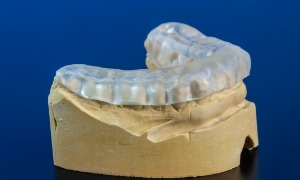
Because TMJ disorder can have various causes, there are also many different types of treatment that we might recommend depending on the situation. Here is what we will likely recommend if we confirm that a TMJ disorder is the source of your jaw pain.
Occlusal Splint
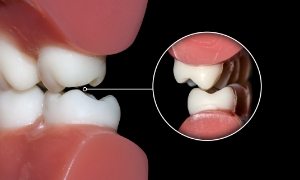
An occlusal splint is an oral appliance that is made to hold the upper and lower jaw in a more relaxed position. This allows your TMJs to rest and recover, reducing your chronic discomfort as a result. Occlusal splints also protect your teeth from bruxism, a condition commonly linked to TMJ disorders.
Equilibration/Occlusal Adjustment
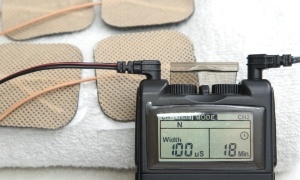
If your TMJ disorder is caused by a misaligned bite, the solution is to return harmony to your smile as a whole by making small changes to your teeth. This is known as an occlusal adjustment. Typically, it involves removing a minimal amount of enamel in specific areas of your mouth; in some cases, we might also place crowns to “build up” a tooth instead. The goal is to ensure that your two rows of teeth meet each other evenly so that the forces of your bite are properly distributed, relieving your pain.